Device Support Trends 2026
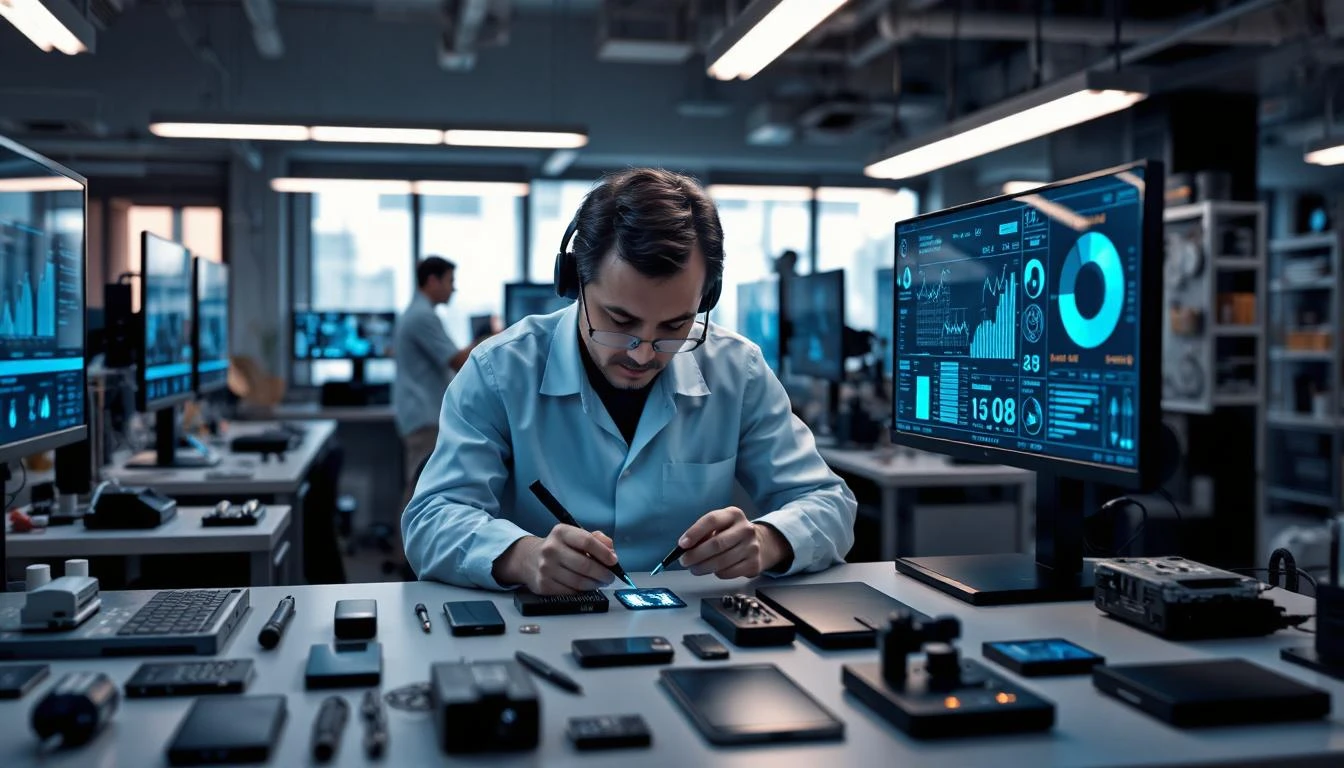
In today’s rapidly evolving digital ecosystem, users expect devices to function seamlessly without interruptions, delays, or technical friction. From personal smartphones to enterprise-grade cloud systems, everything is interconnected in a web of intelligence that constantly adapts to user behavior and system demand. The modern digital landscape is no longer reactive, it is predictive, adaptive, and deeply contextual.
In this environment, device support has become the backbone of global digital infrastructure. Without strong device support, even the most advanced systems can collapse under complexity. This shift is closely tied to emerging support trends, where automation, AI diagnostics, and real-time optimization redefine how devices are maintained, repaired, and enhanced across global marketplaces.
Smart Device Support Solutions
The evolution of smart ecosystems has completely reshaped how users and organizations approach digital maintenance. Today, support is no longer about fixing problems, it is about anticipating them before they occur.
Modern digital infrastructures rely heavily on intelligent automation, where systems learn continuously from usage patterns. This shift is creating a new standard in efficiency, especially in global marketplace environments where uptime and reliability are critical.
Supporting keyword: support trends now plays a major role in shaping how organizations design adaptive systems that respond to user needs dynamically and intelligently.
AI powered device diagnostics
AI-driven diagnostics are transforming technical support into a predictive science. Instead of waiting for failures, systems now analyze behavioral anomalies, thermal fluctuations, and system latency to detect issues early. This approach reduces downtime significantly and improves user trust across digital platforms.
As stated by Dr. Elena Martinez, a leading AI systems researcher, “The future of diagnostics lies in systems that understand failure before it manifests.” This perspective highlights how intelligence is being embedded directly into infrastructure.
Automated device maintenance
Automated maintenance systems are now essential for scalable digital operations. Devices automatically update firmware, optimize performance, and resolve minor system conflicts without human involvement. This creates a frictionless user experience that aligns with modern expectations of instant reliability.
In global marketplaces, this automation ensures consistency across millions of connected devices, reducing operational risks and enhancing system longevity.
Real time performance tracking
Real-time tracking systems provide continuous insights into device health, allowing organizations to make immediate adjustments when anomalies arise. These systems analyze memory usage, CPU performance, and network stability in milliseconds.
Some enterprises now use predictive performance mapping that can forecast system stress hours before it impacts users.
Multi Device Management Trends
As digital ecosystems expand, managing multiple devices simultaneously has become a strategic necessity rather than a technical luxury. The complexity of interconnected platforms demands smarter orchestration and unified visibility.
Modern enterprises rely heavily on centralized systems to ensure that every device, whether mobile, desktop, or IoT, is aligned with operational standards.
Unified support platforms
Unified platforms consolidate all device management functions into a single interface. This allows organizations to monitor, update, and troubleshoot devices across global networks efficiently.
Supporting keyword: cross device synchronization help is increasingly important as users expect uninterrupted transitions between devices without data loss or performance degradation.
Cross device synchronization help
Synchronization ensures that users can move seamlessly between devices without disruption. Whether switching from a laptop to a smartphone or from a wearable to a cloud dashboard, continuity is now a baseline expectation.
This capability is especially vital in marketplace ecosystems where real-time updates and transactional accuracy are essential for operational success.
Remote device troubleshooting
Remote troubleshooting has become a cornerstone of modern IT support. Technicians can now access devices globally, diagnose issues, and apply fixes without physical intervention.
Advanced systems now simulate device environments virtually before applying corrections, reducing error margins significantly.
Security and Protection for Devices
Security is now deeply integrated into device support systems, forming the foundation of trust in digital ecosystems. Without strong protection layers, even the most advanced infrastructure becomes vulnerable to disruption.
Modern systems prioritize proactive defense mechanisms that detect and neutralize threats before they escalate into critical failures.
Device security monitoring
Continuous monitoring systems track device behavior in real time, identifying suspicious activities and potential breaches. This ensures that threats are detected early and mitigated efficiently.
Supporting keyword: cybersecurity frameworks is central here, as organizations adopt layered defense strategies to strengthen their digital environments.
Data protection strategies
Data protection now relies on encryption, decentralized storage, and zero-trust architecture. These strategies ensure that sensitive information remains secure even in complex, distributed systems.
As cybersecurity expert James Whitaker states, “Data security is no longer about barriers, it is about intelligent adaptability.” This reflects the evolving nature of modern protection systems.
Secure device recovery options
Recovery systems now enable instant restoration through cloud snapshots and identity-verified backups. Even in the event of severe breaches, systems can return to stable conditions within minutes.
This capability is particularly crucial in global marketplaces where downtime directly impacts revenue and user trust.
Keep Your Devices Running at Their Best
The future of device support is no longer reactive, it is autonomous, intelligent, and deeply integrated into every layer of digital infrastructure. Devices now optimize themselves continuously, ensuring performance stability without human intervention.
In global ecosystems, support trends are shifting toward predictive intelligence, where systems not only respond to issues but actively prevent them from occurring.
The evolution of digital infrastructure is creating a new standard of reliability where devices become self-sustaining entities within a larger intelligent network.
As digital strategist Michael Hargrove notes, “The next decade of technology will be defined not by devices themselves, but by how well they support each other.”
A strong device support strategy ensures long-term efficiency, resilience, and adaptability across all platforms. This is no longer optional, it is essential for survival in competitive digital ecosystems.
Embrace smarter systems and rethink how you manage your digital environment before complexity takes control.